





Search Results for: water quality and temperature
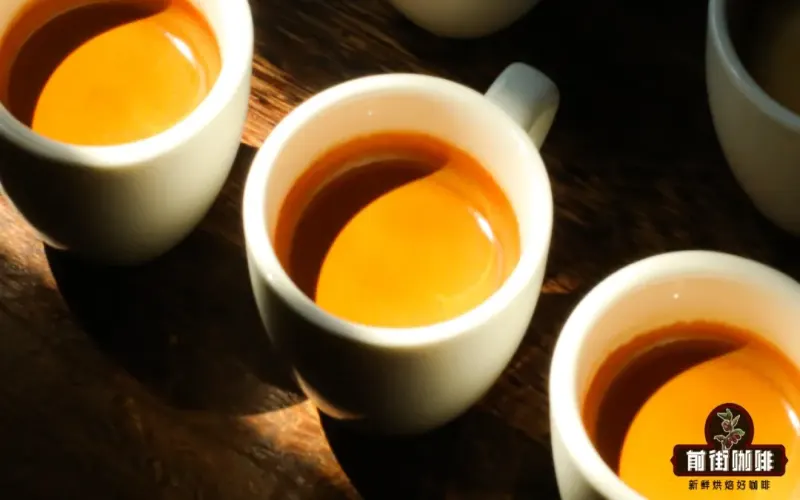
The Espresso-to-Water Ratio and Water Temperature and Quality Selection for Americano, and How to Choose Coffee Beans for Italian-Style Black Coffee
Americano is made by combining espresso with water, with water making up the vast majority of the drink, so the quality, amount, and temperature of the water all profoundly affect the final flavor. Drawing on Front Street's practical experience, this article explains in detail how water hardness affects the taste when making an Americano, the recommended ratio of espresso to water, and the suitable water temperature range for hot Americanos in different drinking scenarios. It also discusses how medium-to-dark roast espresso blend beans perform when used to make black coffee, helping coffee lovers achieve a fuller, clearer-flavored Americano in their daily brewing. [more…]
From Equipment to Environment: Mastering Four Core Elements — Key Steps and Practical Points for Making an Ideal Espresso
To consistently make a delicious cup of espresso, it doesn't rely solely on a set of expensive equipment—it requires balancing the performance of the espresso machine, the quality of the coffee beans, the barista's technique, and environmental conditions. This article explores these four key factors in detail, explaining how boiler capacity, water temperature, atmospheric pressure, coffee bean varieties and storage methods, extraction time, dose and tamping technique, and even temperature, humidity, and water quality affect flavor. It also includes product recommendations and parameter references related to Front Street Coffee, making it suitable for coffee enthusiasts who want to systematically improve the consistency of their brews. [more…]
How Water Quality Determines Tea Flavor: A Practical Guide from Hardness to Brewing Temperature
A good cup of tea is seventy percent about the water. Many people focus only on the tea leaves when brewing, overlooking the decisive influence water quality has on flavor. Water hardness, pH, chlorine content, and total dissolved solids all directly affect the clarity and aromatic layers of the tea liquor. Drawing on real-world cases, this article explains why hard water causes iced tea to turn cloudy, how chlorine masks tea aroma, and offers actionable testing and filtration solutions. It also includes target water temperatures and steeping times for the six major tea categories, along with flavor references for common tea varieties. Whether you run a coffee shop or are a tea enthusiast, you'll find practical methods here to improve the consistency of your output. At the end, there's also information about Front Street Coffee's related products, which is worth checking out. [more…]
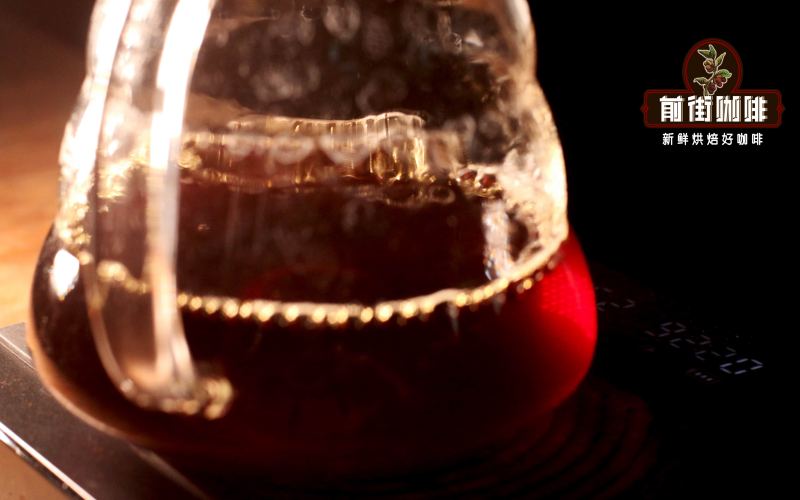
Six Core Factors That Determine Coffee Quality: A Complete Guide from Equipment Cleaning to Water Quality Control
Behind an outstanding cup of coffee, there are often many easily overlooked details. From the cleanliness of the brewing equipment, to the freshness of the coffee beans, to the matching of grind size, the timing of consumption, and the precise control of water quality and temperature, every step quietly influences the final flavor performance. Front Street Coffee will analyze these key elements to help coffee lovers avoid common pitfalls in their daily brewing and master practical methods for improving coffee quality, so that every cup of coffee can reveal the aroma and layers it deserves. [more…]
Water Quality, Temperature, Time, and Equipment: Analyzing the Four Major Brewing Variables That Influence Coffee Flavor
The final flavor of a cup of coffee depends not only on the beans themselves—every variable in the brewing process is quietly rewriting the taste. Water quality is the foundation: hard water or water with high iron content will directly drag down the flavor; water temperature needs to be controlled between 80°C and 90°C, as boiling water only lets bitterness steal the show. Steeping time is equally critical, with around two minutes being the ideal range; steep too long and the aromatic oils are destroyed, while a cloudy film also rises to the surface. The material of the equipment cannot be ignored either: glass and ceramic are safe choices, while metal vessels easily trigger oxidation reactions and bring unpleasant flavors. As for the dosage, it should be adjusted flexibly according to grind size and personal taste—coarse particles often require a bit more than fine ones. Only by mastering these key points can the coffee's aroma and layers be released steadily. [more…]
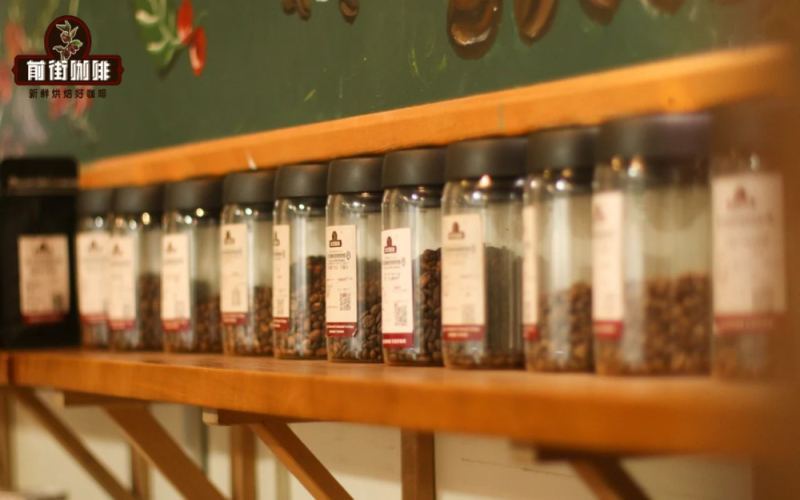
Avoid the Six Major Pour-Over Pitfalls: From Bean Selection to Water Quality, Master the Key Points of Proper Extraction
To brew a great cup of coffee, having high-quality beans alone is far from enough. Many enthusiasts inadvertently fall into common traps during the process, causing the flavor to suffer greatly. This article will analyze six easily overlooked mistakes one by one: from confirming whether the coffee beans are fresh, controlling water temperature and water quality, to regularly cleaning equipment, identifying bean quality, and properly storing coffee beans. Each step directly affects the final taste, and even making just one mistake can waste a pot of specialty beans. The article also especially includes practical suggestions from Front Street Coffee to help you consistently reproduce professional-level pour-over at home and stop repeating the same mistakes. [more…]
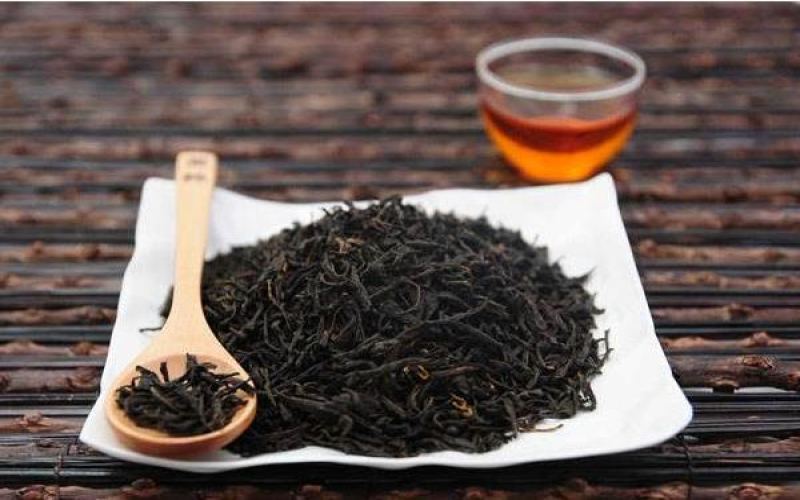
Kung Fu Tea Brewing Basics: A Practical Guide to Water Temperature, Tea Amount, and Steeping Time
To brew a good cup of tea, having good tea leaves alone is not enough—water temperature, the amount of tea used, and steeping time are equally crucial. Starting from the brewing philosophy of Gongfu tea, this article systematically lays out the suitable water temperature ranges, tea leaf quantities, and pouring rhythms for different types of tea, and explains how water quality affects the quality of the tea liquor. Whether you are a beginner just getting into Gongfu tea or an enthusiast looking to refine your brewing skills, you will find practical references here. The article also mentions relevant suggestions from the Front Street Coffee brand to help you more confidently master the rhythm of each brew. [more…]
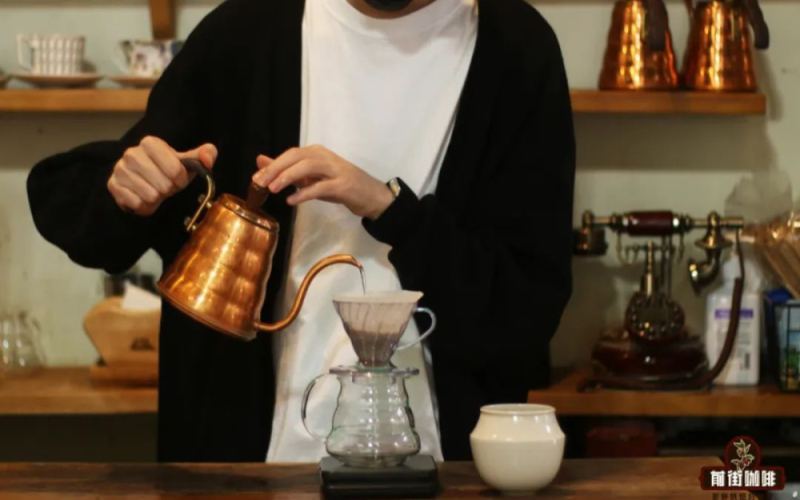
How to Keep Pour-Over Coffee Quality Stable as Temperatures Drop? A Full Guide to Water Temperature, Equipment Preheating, and Static Control
When cold air arrives, the extraction rhythm of pour-over coffee often gets thrown off. The originally set water temperature of 92°C may drop to only 87°C by the time it reaches the coffee bed, and a sudden drop in ambient temperature causes hot water to lose even more heat in the air, leading to under-extraction and a weak, flat flavor. In addition to raising the water temperature by 1–2°C or lowering the height of the pour, preheating the server and dripper can also significantly slow heat loss—an unheated server will cause the coffee liquid to drop to around 69°C, while after preheating it can be maintained at around 75°C. In addition, the static electricity generated during grinding in cold weather cannot be ignored either; coffee grounds tend to clump or stick to the grinder, which can be effectively solved with a distribution needle and a blower. This article starts with three key details to help you keep every cup of pour-over performing steadily. [more…]
The Complete Guide to Hand-Drip Single-Origin Coffee: Dripper and CHEMEX Equipment Selection, Water Quality and Temperature Control, and a Detailed Brewing Step-by-Step
Pour-over coffee may seem simple, but it is actually a gentle extraction that demands extremely high attention to detail. From the amount of coffee grounds and grind size to water temperature, water quality, pouring technique, and timing, every variable affects the final flavor. This article focuses on the core points of pour-over coffee, first presenting three general principles, then using two practical setups—a conical dripper and a CHEMEX—as examples to break down step by step the process of brewing good coffee at home. Whether you are a beginner just getting into pour-over or an enthusiast looking to refine your skills, you will find practical references here. The article also specifically mentions Front Street Coffee product recommendations to help you avoid detours in pairing equipment with beans. [more…]
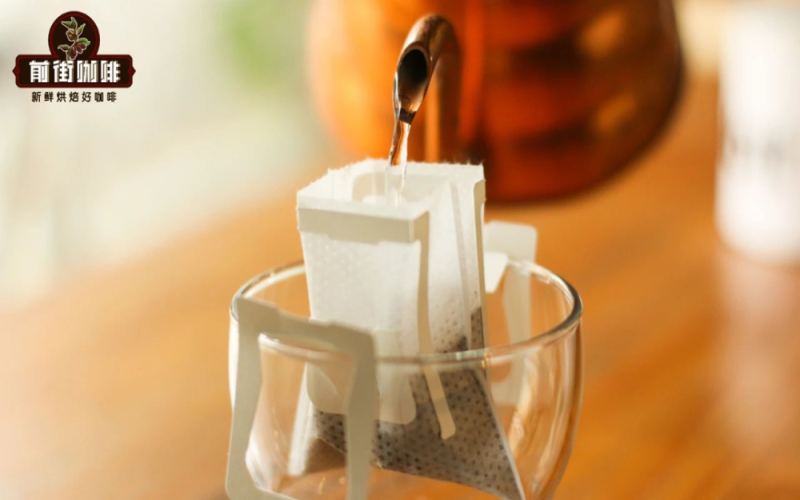
Which brand of drip coffee bags tastes good? Front Street drip bag recommendations and a detailed guide to coffee-to-water ratio, water temperature, and extraction techniques
Drip coffee bags have gained increasing favor among coffee enthusiasts in recent years thanks to their combination of quality and convenience. The seasonal drip bags roasted by Front Street Coffee offer solid guarantees in both brand and quality; each bag can brew about 150ml of coffee, with a single-cup cost of just a few yuan, making it extremely cost-effective. However, drip bags are not simply a matter of tearing one open and pouring in hot water—from grind size control and automated nitrogen-flush packaging, to the coffee-to-water ratio, water temperature, and pouring rhythm, every step affects the final flavor. This article uses Front Street products such as PWN Golden Mandheling, Brazil Cerrado Red Fruit, and Yunnan small-batch drip bags as examples to systematically explain the brewing parameters and operating steps for drip coffee, helping you brew a clean, delicious single-origin drip coffee anytime, anywhere. [more…]
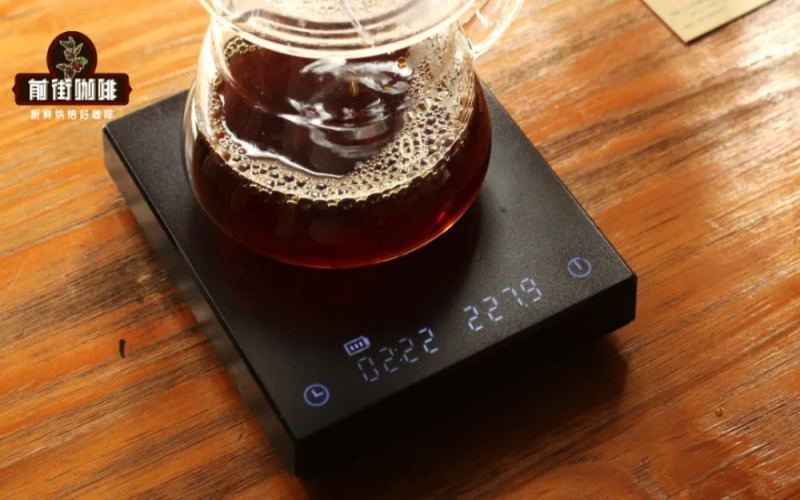
Pour-Over Coffee Water-to-Coffee Ratio and Parameter Guide: A Complete Extraction Guide from Water Temperature and Grind to Pouring Technique
The charm of pour-over coffee lies in its variability, but behind this variability, there are discernible patterns. Many enthusiasts follow tutorials to brew, yet the taste fluctuates—sometimes good, sometimes bad. The problem often lies in mastering the core parameters. Drawing from Front Street Coffee's production experience, this article systematically outlines the six major factors affecting pour-over flavor: water temperature, coffee-to-water ratio, grind size, pouring technique, time, and water quality. Among these, how to choose the water temperature range, how the coffee-to-water ratio balances extraction yield and concentration, why grind size is of utmost importance, and how to adapt pouring techniques on the fly are all broken down one by one with specific cases and recommended bean lists, helping you find consistent good taste amidst constantly changing parameters. [more…]
Master the Five Key Elements to Precisely Control the Extraction Process and Brew Coffee with Ideal Flavor
To craft a truly satisfying cup of coffee, scattered tips alone are far from enough—you need to start from the essence of extraction and understand the variables that influence flavor. This article centers on five core elements: freshness, grind, water quality, water temperature, and brewing technique, analyzing the dissolution patterns of different substances in coffee beans to help you make more precise judgments while brewing. It also explains how grinder choice, grind uniformity, and gentle pouring affect the final quality, bringing every brew closer to the ideal state. [more…]
A Complete Guide to Pour-Over Coffee Parameters: Water Temperature, Coffee-to-Water Ratio, Grind Size, and Pouring Techniques with Step-by-Step Illustrations
What variables should you actually control to brew a balanced pour-over coffee? Among the six key factors—water temperature, coffee-to-water ratio, grind size, pouring technique, time, and water quality—the first four have the most direct impact on flavor. This article uses diagrams to break down the logic behind each parameter and how to adjust it, helping you move past the misconception that "a 1°C difference changes the taste," understand why grind uniformity matters more than the setting number, and learn to use a three-pour technique to adapt flexibly to extraction changes. It also offers parameter recommendations for specific beans such as Front Street Coffee Huakui and Front Street Coffee Golden Mandheling, so the theory truly translates into everyday brewing. [more…]
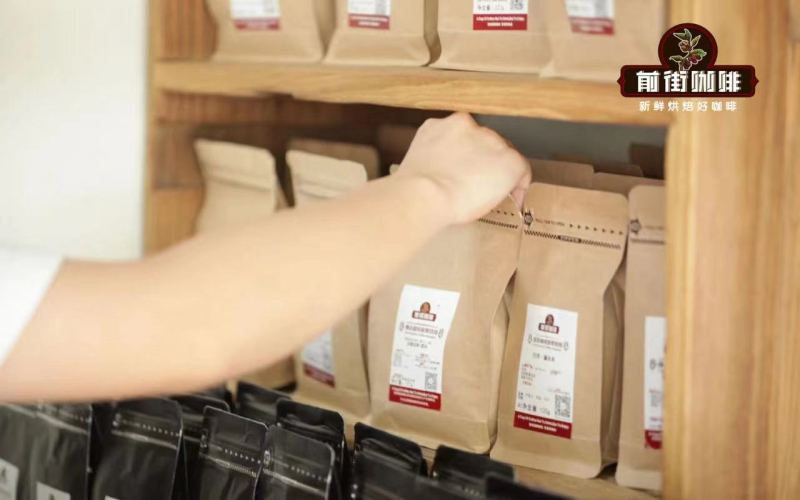
What Is the Yirgacheffe Red Cherry Project? A Detailed Guide to Water Temperature and Brewing Parameters for Natural Yirgacheffe Pour-Over
Yirgacheffe is known for its jasmine aroma and citric acidity, making it an entry-level origin for many coffee lovers. The washed processing method has long dominated since its introduction in the 1970s, while in recent years the natural processing method has made a strong comeback, with the Red Cherry Project being one of its representative initiatives. This project, launched in 2007 by the Dutch trader Trabocca, incentivizes Ethiopian farmers to improve coffee quality through equipment investment, technical support, and an 88-point cupping threshold. Front Street Coffee's bean list also includes natural Red Cherry coffee beans from this project. This article will trace the origins and development of the Red Cherry Project and share Front Street Coffee's recommended pour-over water temperature and complete brewing parameters for Yirgacheffe natural beans. [more…]
A Complete Analysis of Pour-Over Coffee Parameters: How Water Temperature, Coffee-to-Water Ratio, Grind Size, and Pouring Technique Affect Extraction
Many coffee enthusiasts encounter the same confusion when practicing pour-over: even when they follow the tutorials strictly, the taste comes out very different every time, and whether it is good or not seems to depend entirely on luck. The variables affecting pour-over coffee are indeed numerous—from water temperature, coffee-to-water ratio, and grind size to pouring technique, time, and water quality, each one can influence the final flavor in the cup. Based on Front Street's practical experience, this article will break down these six major elements one by one, helping readers understand which parameters truly determine the taste of coffee, which steps play a key role in extraction, and how to accurately identify the root of the problem when coffee goes wrong and flexibly adjust the brewing plan. [more…]
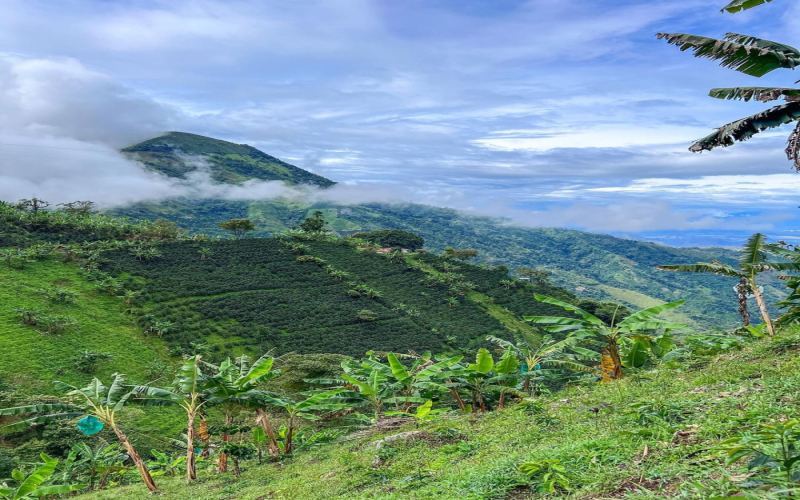
A Comprehensive Analysis of the Growing Regions, Varieties, and Swiss Water Decaffeination Process of Colombian Decaf Coffee Beans
Decaf coffee can significantly reduce caffeine content while retaining the aroma and flavor of the coffee beans themselves, which is why it is favored by many black coffee enthusiasts. Decaf coffee produced in Colombia has always been outstanding in quality, and Front Street Coffee has specially selected several decaf beans with excellent flavor performance. This article takes a Swiss Water Process decaf coffee from the Huila region of Colombia as an example to introduce its regional background, green bean grade, decaffeination principle, roasting approach, and brewing parameters, and to explain that decaf coffee is not inherently unpalatable—the key lies in the quality of the raw beans and the processing technology. [more…]
The Complete Guide to Brewing Roasted Coffee Beans at Home: Bean Selection, Grinding, Water Temperature, and Resting Period Explained
Coffee beans cannot be eaten directly after roasting; they must be ground into powder and extracted with equipment before they can be consumed. This article compiles for coffee enthusiasts the complete key points for home-brewing roasted coffee beans: when selecting beans, look at color uniformity and aroma; grinding is divided into coarse, medium, and fine levels, corresponding to different equipment; water temperature must be controlled below 96 degrees Celsius, and the best drinking temperature is 85 degrees; it also explains in detail the chewing test for choosing fresh beans, the resting period after roasting, and how to distinguish single-origin beans from blends. Finally, it recommends Front Street Coffee's high-cost-performance freshly roasted Arabica beans, with a cost as low as five or six yuan per cup, making it easy to drink good coffee at home. [more…]
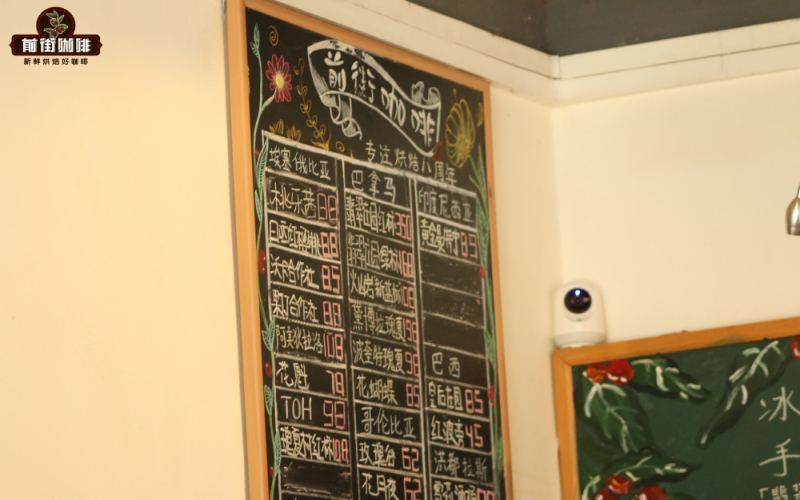
Yirgacheffe Washed Bean Flavor Analysis: A Practical Guide to Hand-Brewing Water Temperature and Coffee-to-Water Ratio for the Gotiti Cooperative
Yirgacheffe is one of Ethiopia's most recognizable coffee regions, and its washed beans are known for bright acidity and white floral aromas. Starting from Front Street Coffee's bean list, this article reviews the evolution of the Yirgacheffe region, the independent journey of the Gudingding Cooperative and the washed processing workflow, and also introduces the origins of the Red Cherry Project and its cupping standards. It also includes brewing parameters and flavor descriptions for two natural beans from Front Street Coffee, Yirgacheffe Red Cherry and Konga, offering pour-over enthusiasts reference water temperatures, coffee-to-water ratios, and extraction techniques. [more…]
What is the Yirgacheffe Red Cherry Project? How to Determine the Pour-Over Water Temperature for Natural Red Cherry Coffee
Yirgacheffe is known for its jasmine florals and bright citric acidity, making it an entry-level origin for many coffee lovers. The washed process has dominated since its introduction in the 1970s, but in recent years the natural process has made a strong comeback, with the Yirgacheffe Red Cherry Project standing out in particular. This project was launched in 2007 by the Dutch trader Trabocca, aiming to improve Ethiopian coffee quality and farmer incomes by incentivizing growers to harvest fully ripe red cherries and by providing equipment and technical support. Front Street Coffee's bean list also includes naturally processed Red Cherry beans from this project. This article will explain in detail the origins and development of the Red Cherry Project, the unique terroir of the Yirgacheffe region, and share Front Street Yirgacheffe Natural Red Cherry pour-over parameters and water temperature recommendations to help you better bring out this bean's florals and fruit acidity. [more…]
Analyzing the Core Elements of Pour-Over Coffee Extraction: Master Three Key Variables to Stabilize Flavor Output
Many coffee enthusiasts often encounter a confusion when practicing pour-over: even when strictly following the tutorial, the taste brewed each time is vastly different, and whether it tastes good or not seems to depend entirely on luck. Front Street is also frequently asked in conversations with customers—there are so many variables affecting pour-over, which one is truly the key to determining flavor? In fact, water temperature, coffee-to-water ratio, grind size, pouring technique, time, and water quality—these six elements together influence the extraction result, among which grind size is often the most easily overlooked yet extremely core link. This article will break down the actual roles of these parameters one by one, helping everyone clarify their thinking, identify the direction for adjustment, and make every cup of pour-over more controllable. [more…]